Structural Design of Aircraft Wings

Lucas
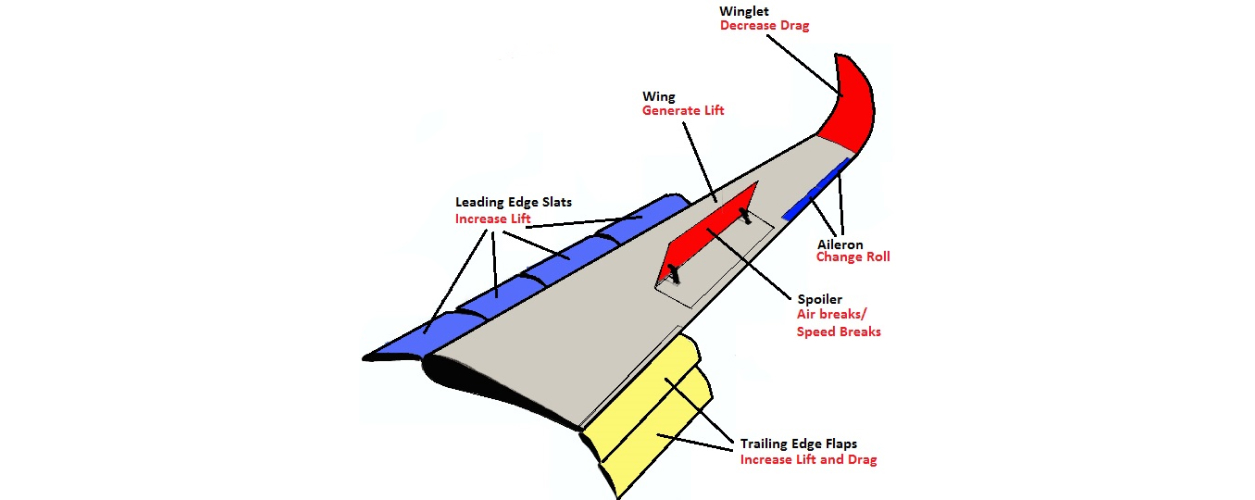
The structural design of aircraft wings is a critical aspect of aircraft engineering, as wings are responsible for carrying the majority of an aircraft's weight and providing lift during flight. In this article, we will explore the principles and techniques used in the design of aircraft wings, including considerations such as aerodynamic performance, structural integrity, and weight optimization. We will also discuss the use of computer-aided design (CAD) tools and other technologies in the design process.
Aerodynamics of Supersonic Flight
Lucas
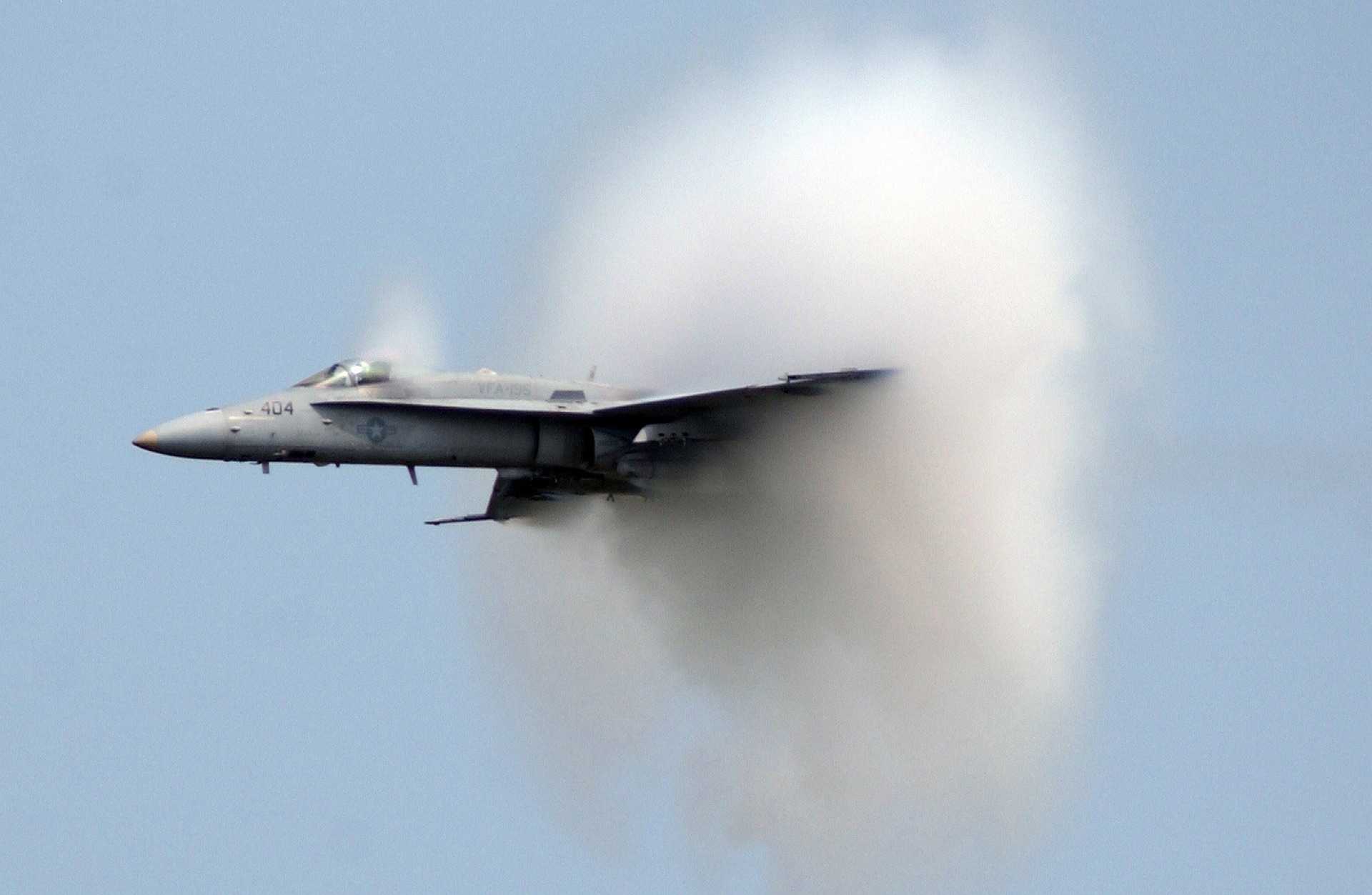
Aerodynamics plays a crucial role in the design and performance of aircraft, especially at supersonic speeds. At these speeds, the flow of air around the aircraft becomes much more complex due to the presence of shock waves and the need for specialized aerodynamic design. Shock waves are created when an object moves faster than the speed of sound in the surrounding air and can create significant drag on the aircraft. To mitigate this drag, supersonic aircraft are designed with streamlined shapes that allow the air to flow smoothly around the aircraft. In addition to shock waves, supersonic aircraft must also generate lift to stay aloft, which is usually achieved through the use of swept wings or the deployment of flaps and slats.
Jet Propulsion in Aircraft
Lucas
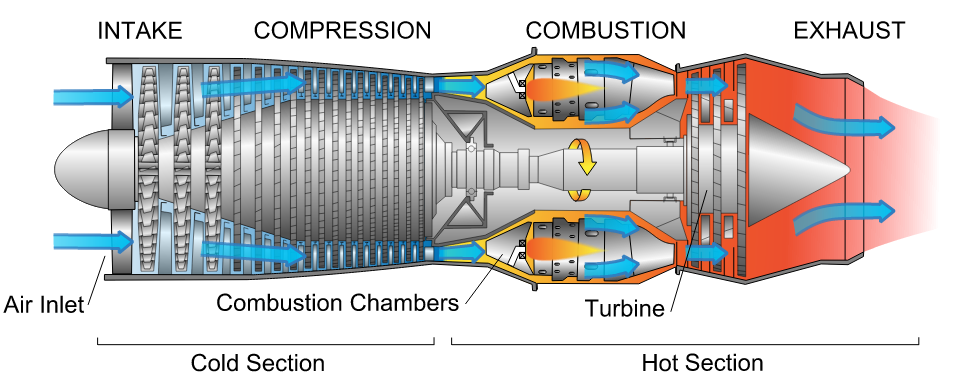
Jet propulsion is a type of aircraft propulsion system that uses the reaction force generated by the expulsion of a high-velocity jet of gas to propel an aircraft forward. There are two main types of jet propulsion systems: turbojet and turbofan. A turbojet engine consists of a compressor, a combustor, and a turbine, while a turbofan engine adds an additional component called a fan to the front of the engine. Jet engines operate based on the principle of Newton's Third Law of Motion and are highly efficient at high altitudes. However, they are also complex and require a large amount of fuel to operate, so aircraft designers must carefully balance the benefits and limitations of jet propulsion to optimize the performance of the aircraft.
Advanced materials in commercial aviation
Lucas
Advanced materials such as lightweight composites and high-strength alloys are improving the performance and efficiency of commercial aviation. These materials enable the design of aircraft that are lighter and stronger, which can significantly reduce fuel consumption and improve the environmental impact of aviation. For example, the use of carbon fiber composite materials in the construction of the Boeing 787 Dreamliner helped to reduce the weight of the aircraft by approximately 20% compared to traditional aluminum alloys. Similarly, the use of titanium in aircraft components such as engines and structural components can help to reduce weight and improve performance. As materials science continues to advance, we can expect to see even more innovative materials being used in the construction of aircraft in the future.
The New Avionics and Artificial Intelligence in Aviation
Lucas
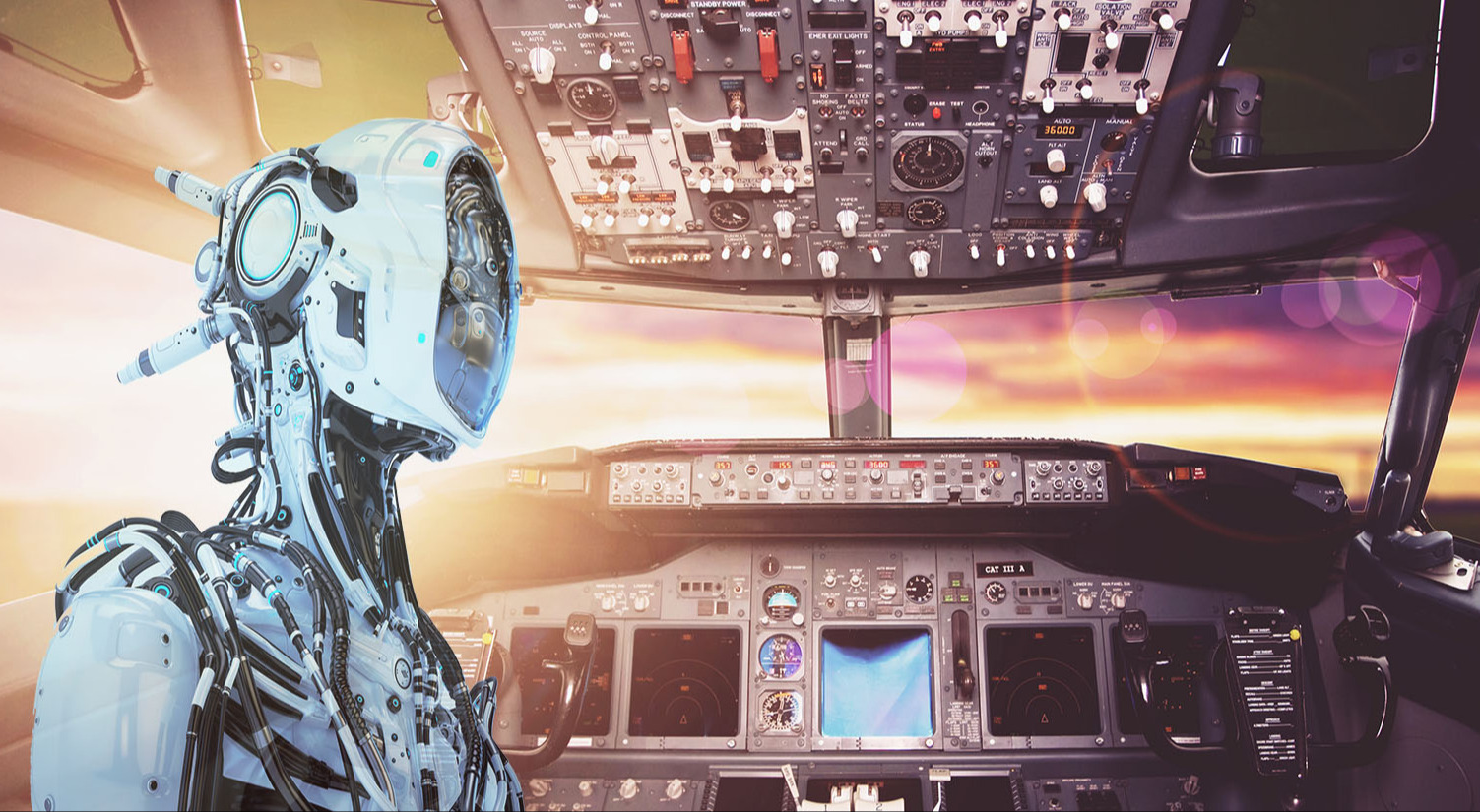
The integration of artificial intelligence (AI) and the development of new avionics systems are leading to significant advancements in the performance and efficiency of aviation. AI can be used to analyze large amounts of data in real-time and make decisions based on that analysis, improving the efficiency and performance of the aircraft. New avionics systems, such as digital avionics and fly-by-wire technology, offer improved reliability and precision, and allow for the integration of advanced automation and control systems. These technologies are enabling the design of more advanced and intelligent aircraft that can operate more efficiently and safely.
Unmanned aerial vehicles (UAVs) in military aviation
Lucas
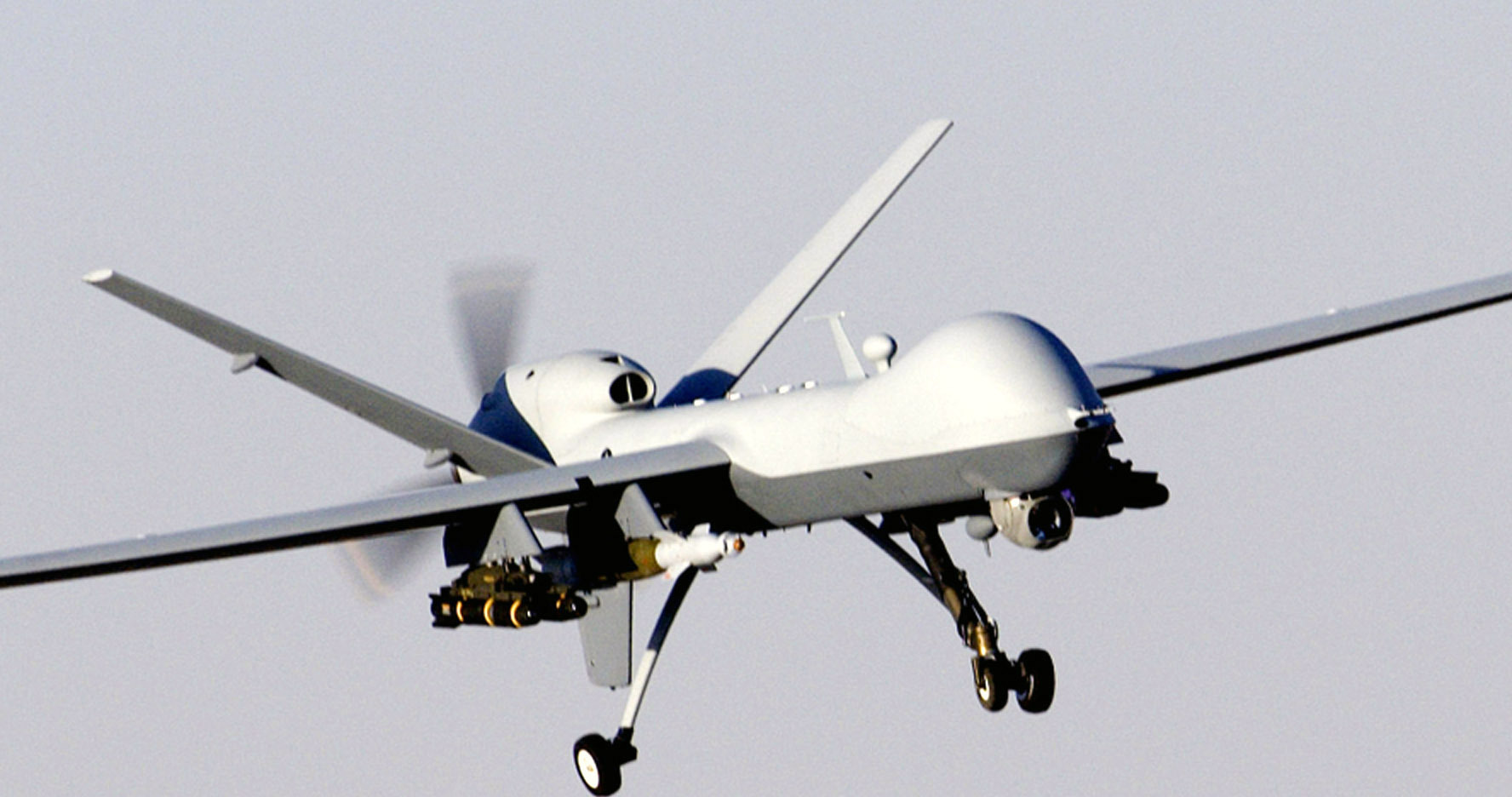
Unmanned aerial vehicles (UAVs), or drones, are aircraft that are operated remotely or autonomously without a human pilot on board. UAVs have a number of capabilities that make them well-suited for military operations, such as their ability to operate in risky or difficult environments and their flexibility and adaptability. However, the use of UAVs also comes with its own set of challenges, including the need for reliable communication and control systems and the potential for misuse. As UAV technology continues to evolve, it will be important to address these challenges and ensure that UAVs are used in a responsible and ethical manner.