
Lucas
Unmanned aerial vehicles (UAVs) in military aviation
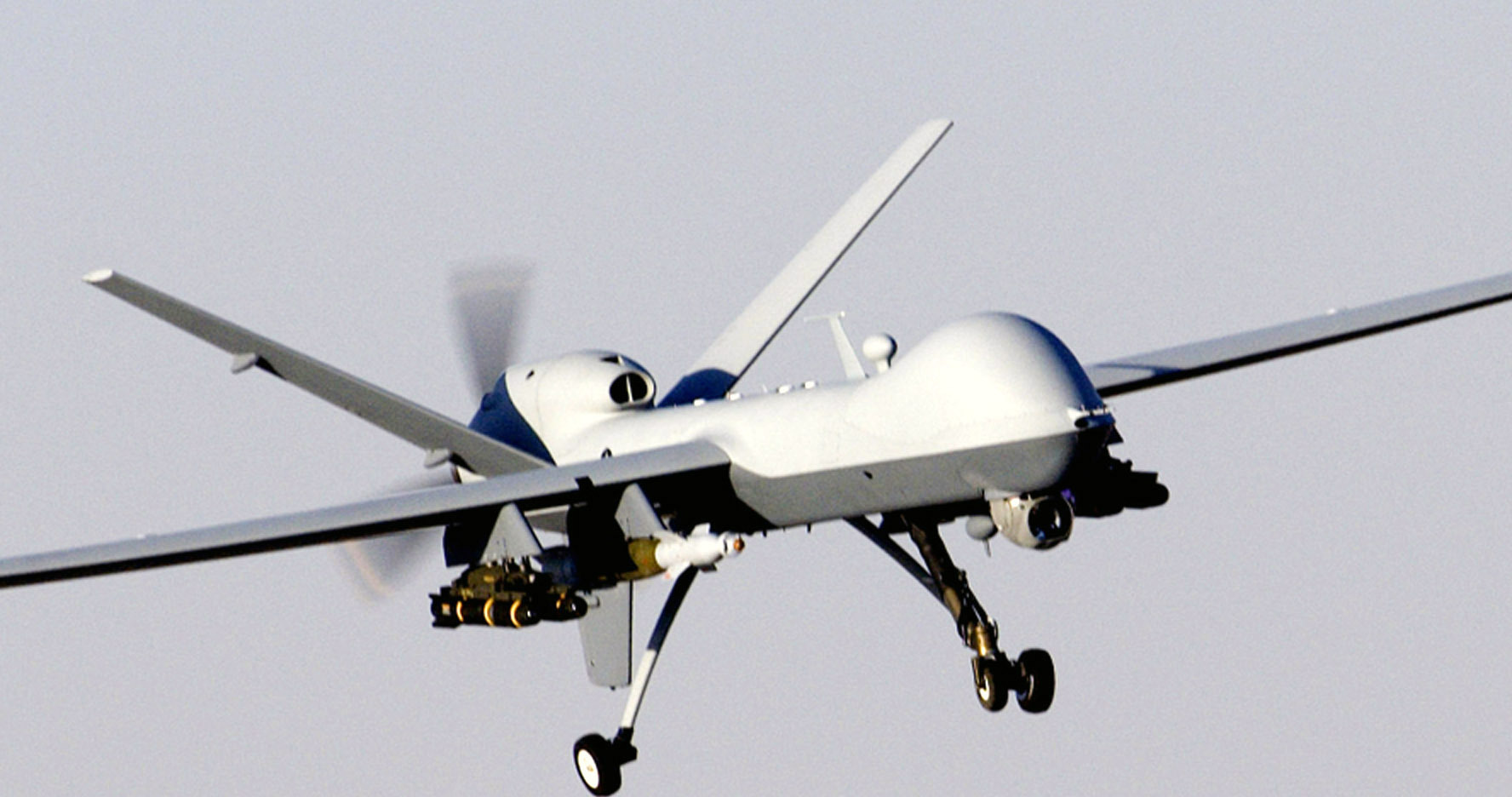
Unmanned Aerial Vehicles (UAVs) in Military Aviation: Capabilities and ChallengesUnmanned aerial vehicles (UAVs), also known as drones, are aircraft that are operated remotely or autonomously without a human pilot on board. UAVs have become an increasingly important tool in military aviation, with a wide range of capabilities and applications. However, the use of UAVs also comes with its own set of challenges and considerations.
Capabilities of UAVs
UAVs have a number of capabilities that make them well-suited for military operations. One of the key advantages of UAVs is their ability to operate in areas that may be too risky or difficult for human pilots, such as areas with hostile air defenses or in high-altitude environments. UAVs can also be used for a variety of missions, including reconnaissance, surveillance, target acquisition, and strike operations.
In addition to their operational capabilities, UAVs also offer a number of logistical advantages. UAVs can operate for extended periods of time without the need for a human pilot, and they can be launched and recovered remotely, which can reduce the need for ground support personnel and equipment. UAVs can also be rapidly deployed and can operate in a variety of environments, making them highly flexible and adaptable.
Challenges of UAVs
While UAVs offer a number of advantages, they also come with their own set of challenges. One of the main challenges of UAVs is the need for robust and reliable communication and control systems. UAVs are typically operated remotely and rely on satellite or ground-based communication systems to transmit and receive data. These systems must be able to operate reliably in a variety of environments and must be resistant to interference and jamming.
Another challenge of UAVs is the potential for misuse or abuse. UAVs can be used for a variety of purposes, both legal and illegal, and there are concerns about the potential for misuse, such as the use of UAVs for espionage or terrorist attacks. There are also ethical and legal considerations surrounding the use of UAVs in warfare, including issues related to the targeting and use of force.
Conclusion
UAVs are an increasingly important tool in military aviation, with a wide range of capabilities and applications. However, the use of UAVs also comes with its own set of challenges and considerations, including the need for reliable communication and control systems and the potential for misuse. As UAV technology continues to evolve, it will be important to address these challenges and ensure that UAVs are used in a responsible and ethical manner.
Lucas
Owner