
Lucas
Aerodynamics of Supersonic Flight
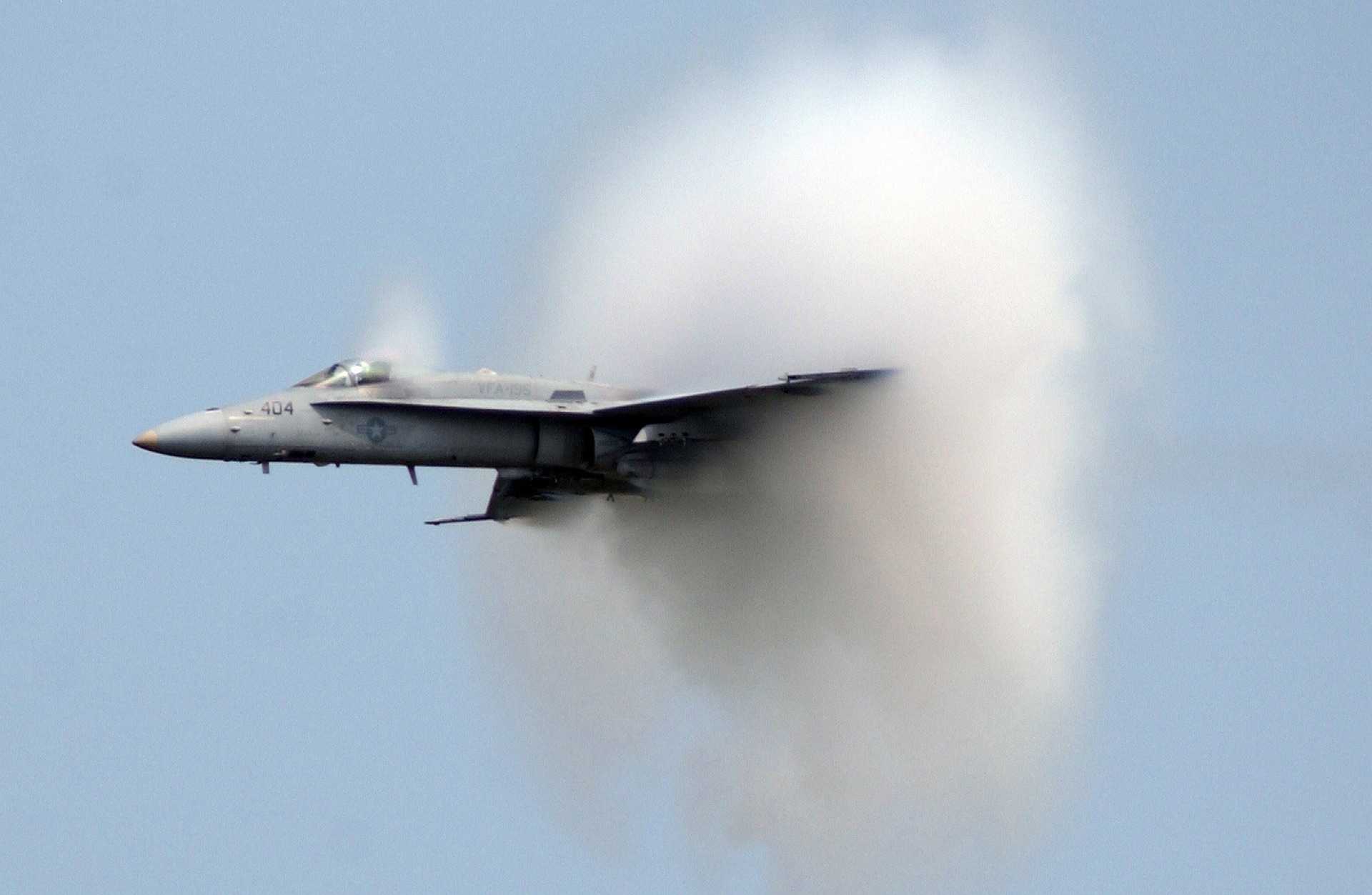
The Aerodynamics of Supersonic FlightWhen an aircraft travels at speeds faster than the speed of sound, it enters the realm of supersonic flight. At these speeds, the flow of air around the aircraft becomes much more complex due to the presence of shock waves and the need for specialized aerodynamic design.
Shock Waves
One of the major challenges in supersonic flight is the creation of shock waves, which are produced when an object moves faster than the speed of sound in the surrounding air. These shock waves can create significant drag on the aircraft, making it more difficult to maintain supersonic speeds.
To mitigate the drag caused by shock waves, supersonic aircraft are designed with streamlined shapes that allow the air to flow smoothly around the aircraft. This can be seen in the delta wing design, which is used on many supersonic aircraft such as the Concorde and the Space Shuttle. The delta wing shape helps to reduce the formation of shock waves, allowing the aircraft to maintain supersonic speeds more easily.
Lift Generation
In addition to shock waves, another important factor in supersonic flight is the generation of lift. Lift is necessary for the aircraft to stay aloft and is usually generated through the shape of the wing and the movement of air over it. However, at supersonic speeds, the traditional lift-generating mechanisms used on subsonic aircraft are not effective.
To generate lift at supersonic speeds, supersonic aircraft use other techniques such as the use of swept wings or the deployment of flaps and slats. Swept wings are angled backwards, which helps to reduce the formation of shock waves and allows the aircraft to maintain supersonic speeds more easily. Flaps and slats are used to increase the lift of the wing by changing the shape of the wing and the flow of air over it.
Conclusion
The aerodynamics of supersonic flight are complex and require specialized design to allow the aircraft to maintain supersonic speeds and generate lift. The use of streamlined shapes and specialized lift-generating mechanisms such as swept wings and flaps and slats
Lucas
Owner